
Enrolling Clinical Trials
Type 2 Diabetes with Increased Cardiovascular Risk (starts August 2026):
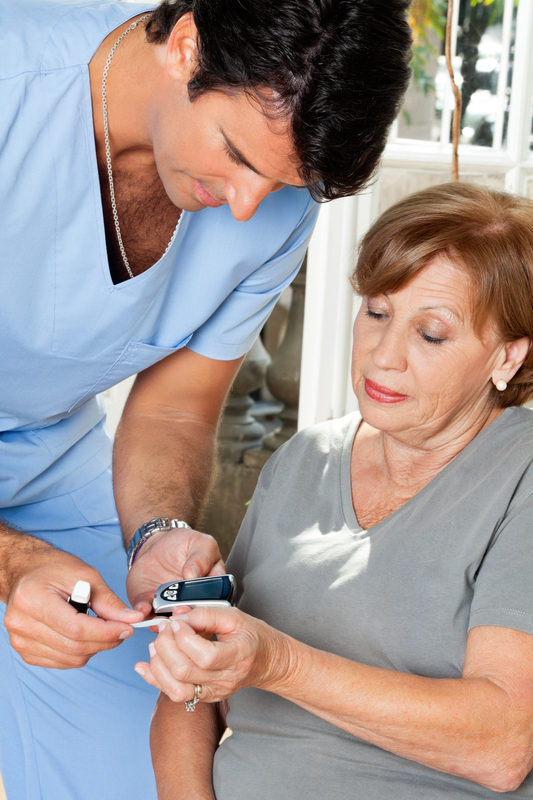
Globally, around 589 million adults were living with diabetes in 2024, and of this group, it is estimated that more than 90% were living with type 2 diabetes. Approximately 80–90% of people with T2D are overweight or obese.
The primary purpose of this clinical research trial is to compare the effect of the investigational trial medication vs insulin glargine on blood sugar control and weight loss, as well as safety and tolerability.
The trial will last about 56-104 weeks, with 40 clinic visits. There will be weekly phone calls for dosing adjustments. The investigational trial medications are injections.
A few qualifications to participate are:
- Age 45 years old and above
- BMI ≥ 25 kg
- Treatment with 1–3 oral diabetic medications. No insulins or GLP-1s.
- Prior heart attack, documented coronary artery disease, prior stroke, history of chronic kidney disease, or symptomatic peripheral arterial disease.
- No weight loss medications in the last 90 days
Qualified participants will:
- See a physician at no cost
- Receive pertinent tests and imaging at no cost
- Receive compensation for time and travel
Weight Loss (starts August 2026):

According to the World Health Organization, more than 890 million adults aged 18 or older were living with obesity (BMI ≥ 30 kg) in 2022. This corresponds to 16% of the world's adult population. Obesity is associated with the risk of developing numerous comorbidities, including but not limited to type 2 diabetes, cardiovascular disease, and metabolic dysfunction-associated steatotic liver disease, which all lead to reduced life expectancy and quality of life.
The purpose of this clinical research trial is to evaluate the effect of the investigational trial medication compared to placebo on reducing body weight. At some point in the trial, everyone will be on active medication.
The trial will last about 64 weeks with 16 clinic visits. The investigational trial medication is an injection.
A few qualifications to participate are:
- Age 18 – 75 years old
- BMI ≥ 30 kg or ≥ 27 kg – 30 kg with hypertension, dyslipidemia, obstructive sleep apnea, cardiovascular disease, or MASLD.
- Can not be diabetic
- No weight loss medications in the last 180 days
Qualified participants will:
- See a physician and dietitian at no cost
- Receive pertinent tests and imaging at no cost
- Receive compensation for time and travel
Cardiovascular (starts November 2026)
Worldwide, about one in three adults with type 2 diabetes also has heart disease, which causes nearly half of all deaths in this group—mostly from heart attacks and strokes. Because both weight and high blood sugar increase these risks, treatment plans that manage both are vital for protecting overall health.
The purpose of this clinical research trial is to test how well a once-weekly injection of an investigational medication works and how safe it is at its highest tolerated dose compared with a placebo. It is being tested in adults who are overweight or living with obesity, have type 2 diabetes, and are at a higher risk for heart disease.
The trial will last about 160 weeks with 19 clinic visits. The investigational trial medication is an injection.
A few qualifications to participate are:
- At least 45 years old
- Must have type 2 diabetes for at least 180 days
- On a stable diabetic treatment with at least 1 medication but no more than 4
- BMI 25 kg
- Prior heart attack, documented coronary artery disease, prior stroke, chronic kidney disease, or symptomatic peripheral arterial disease.
Qualified participants will:
- See a physician and dietitian at no cost
- Receive pertinent tests and imaging at no cost
- Receive compensation for time and travel
Diabetic Switch (starts September 2026):
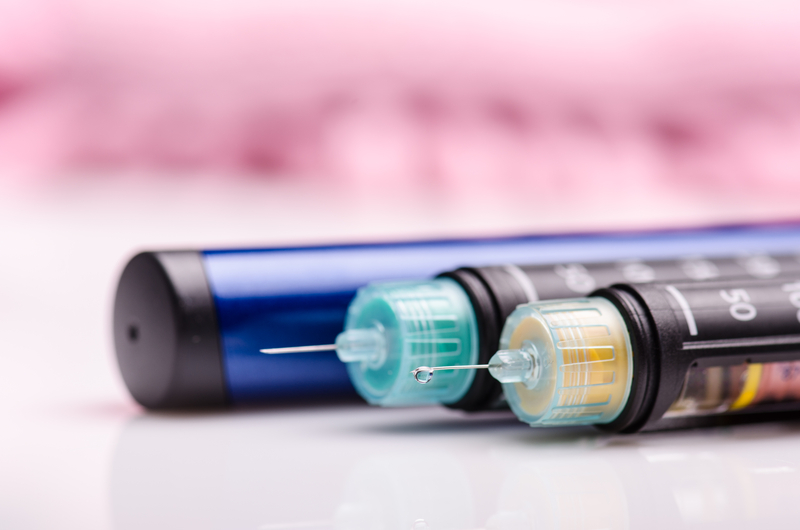
The purpose of the present study is to evaluate the safety and tolerability of switching from a specific once-weekly GLP-1 injection to a once-weekly investigational co-administered injection in participants with type 2 diabetes.
The trial will last about 25 weeks with 10 clinic visits and 3 phone visits. The investigational trial medication is an injection.
A few qualifications to participate are:
- Age 18 – 75 years old
- BMI ≥ 25 kg
- Currently taking a specific GLP-1 injection and dose for type 2 diabetes (will need to call for more information on which medication)
- No other oral diabetic medications besides metformin and/or an SGLT2 inhibitor. Must be on stable dose for ≥ 90 days before screening
- A1c 6.5-10.5 - will test at first visit
- Can not have taken any weight loss medication within the last ≥ 90 days before screening
Qualified participants will:
- See a physician at no cost
- Receive pertinent tests and imaging at no cost
- Receive compensation for time and travel
Risk reduction (starts September 2026):

Obesity gets worse over time and leads to serious health issues, but most care today targets late-stage disease rather than early prevention. Catching it early in adults who are overweight and carry extra fat around their midsection can change the course of the disease and protect long-term health. Projections show that starting treatment early can help prevent obesity-related health complications and stop weight gain before more severe issues start.
The purpose of this clinical research trial is to assess the safety and efficacy of a daily oral treatment versus placebo in individuals who are overweight and at risk of developing complications or progressing to obesity.
The trial will last about 104 weeks with 25 clinic visits. The investigational trial medication is a pill.
A few qualifications to participate are:
- Age 18 – 75 years old
- BMI 25 kg to 29 kg
- Must have prediabetes, prehypertension, or predyslipidemia. Can not be on medications for treatment.
- No weight loss medications in the last 180 days or have been diagnosed as obese at any time
- Has not previously received treatment with any GLP-1 class drug.
Qualified participants will:
- See a physician and dietitian at no cost
- Receive pertinent tests and imaging at no cost
- Receive compensation for time and travel
Hypertension with Overweight/Obesity (Starts October 2026):
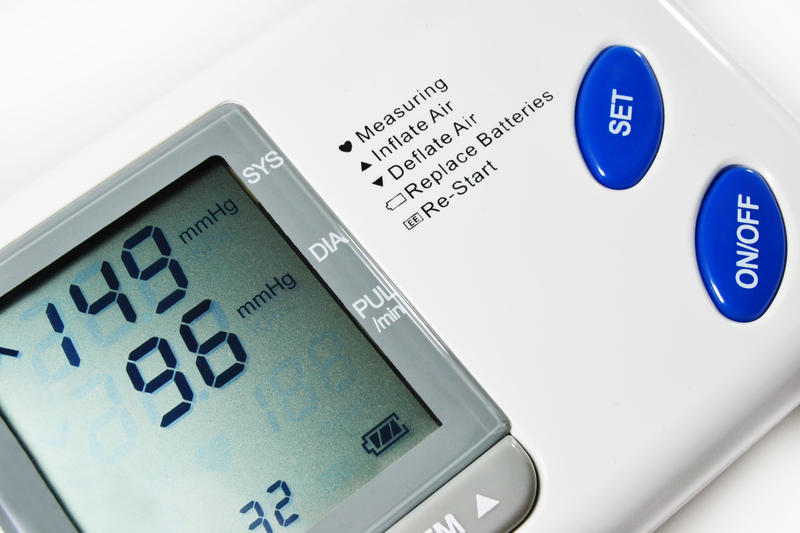
Uncontrolled hypertension represents a clear unmet medical need in a population with obesity, such that in the 2025 guidelines, the American Heart Association and the American College of Cardiology recommended considering drugs for treating obesity, like GLP-1 receptor agonists.
The purpose of this clinical research trial is to compare the efficacy and safety of investigational trial medications and placebo in participants with hypertension and obesity with or without type 2 diabetes, regardless of whether they have a hypertension diagnosis or take antihypertensive medication at baseline.
This trial is approximately 42 weeks with up to 15 visits. The investigational trial medication is an injection.
A few qualifications to participate are:
- Age 18 – 75 years old
- BMI ≥ 30 kg
- Resting in-office Systolic Blood Pressure of 130-160
- No weight loss medications in the last 90 days
Qualified participants will:
- See a physician at no cost
- Receive pertinent tests at no cost
- Receive compensation for time and travel































































 - web design by teaminhouse